
Ditch New Year’s Resolutions… and Try This Instead
The 17th was Ditch New Year’s Resolution Day - the point by which most people have already abandoned their shiny January goals.
Some people even call it Failure Day.
But I see it more as a reset day.
A chance to pause, reassess, and ask:
What do I actually want - and how can I make it achievable?
Instead of scrapping everything and feeling disappointed, this is the perfect moment to simplify your approach and focus on small, manageable habits that actually stick.
Why Most Resolutions Fail (and What Works Better)
Big goals are exciting - but they’re often unrealistic when layered on top of busy, messy, real life.
What does work far better is:
-
Small actions
-
Built into your existing routine
-
Repeated consistently until they feel automatic
One of the easiest ways to do this is through habit stacking.
What Is Habit Stacking?
Habit stacking means taking something you already do every single day and adding a new healthy habit before, after, or alongside it.
You’re not trying to create a brand-new routine - you’re simply attaching a small habit to an existing one.
One of my clients told me this week how well habit stacking has worked for him.
He now rolls his feet on a ball every day while brushing his teeth.
It’s become so ingrained that if he skips it, he genuinely feels like something’s missing!
Brushing your teeth is a common cue
Other possible cues are:
-
Before getting out of bed
-
Before going to sleep
-
Watching TV
-
Making a drink
-
After a meal
-
Logging on to the computer
You just choose one thing you do every day without thinking - this is your anchor
You then simply add your new habit to it.
Keep the Habit Small (This Is Key)
Your new habit should feel:
-
Easy
-
Manageable
-
Almost too simple
If it feels overwhelming, it’s too big.
Great starter habits might be:
-
Drinking a glass of water
-
Focusing on your breathing for a minute
-
A short mobility sequence
-
Getting some steps in — a walk, WalkFit, a kitchen boogie, or even a few trips up and down the stairs!
Stick with one habit only until it feels automatic — something you do without having to talk yourself into it.
For most people, this takes around 3–4 weeks.
When to Add Another Habit
Once your first habit feels natural, you can:
-
Add another habit to the same anchor, or
-
Use a different cue - often at the other end of the day
This layered approach keeps things sustainable rather than overwhelming.
My Own Habit Stacking Examples
This is something I’ve been using successfully for years. Here are some of my current anchors and habits, just to give you ideas:
-
Before I get out of bed – stretching
-
Making breakfast – lymph work
-
Making a coffee – Hypopressives
-
Standing at the computer – rolling my feet
-
Washing up – stretching my calves
-
Watching TV – mobility work
-
Before/as I go to sleep – breathwork
New Habits I’m Currently Adding In
Even now, I still use habit stacking when I want to introduce something new. My latest additions include:
-
Stomach/scar massage – added onto my morning stretches
-
Reading – after feeding the cats and getting myself some water
-
Toe spacers – worn during WalkFit (it's something I find hard to fit in during Winter months otherwise)
-
Bone-building hops – 50 hops on each leg when my watch gives me the first movement reminder
-
Bedtime stretches – just before getting into bed
I haven’t started these all at once, and I’m completely okay with doing some of them a few times a week rather than daily
As always:
Small, consistent steps beat perfect every time.
Could Habit Stacking Work for You?
If New Year’s resolutions haven’t worked for you in the past, this approach is well worth trying.
Choose one anchor.
Add one tiny habit.
Repeat until it becomes automatic.
That’s where real change happens.
Sarah x
PS. Want Help Building Healthy Habits?
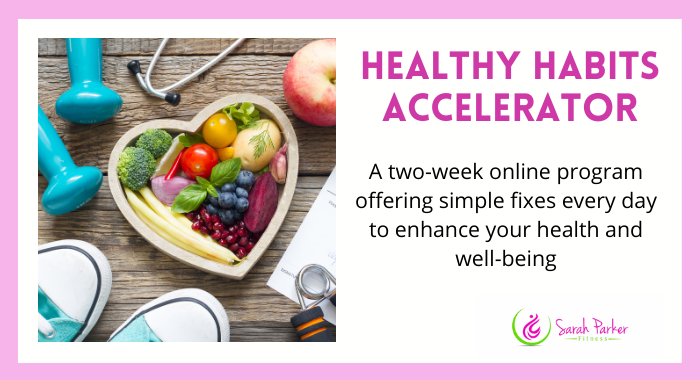
If you’d like ideas and guidance, my Healthy Habits Accelerator Programme is available for £20 (lifetime access).
You’ll receive:
-
Daily emails for two weeks
-
Short videos and ideas covering breathwork, movement, lymph work, releases, and more
By the end, you’ll have a toolkit of techniques you can use regularly — or dip into whenever you need a pick-me-up.







Comments